
Willpower is not the problem. Decades of research in neuroscience and behavioral psychology make it clear: most behavior change fails because it targets the conscious mind while ignoring the systems driving behavior underneath. When it comes to alcohol, this is especially true. Drinking is rarely just a habit. It is a deeply wired response, shaped by emotion, environment, and the brain’s own reward system. At Unconscious Moderation, every tool was designed around how the brain actually works, and why alcohol becomes so hard to change without the right approach.
Neuroscience estimates that the vast majority of our decisions are governed by unconscious processes, mental patterns encoded through repetition, emotion, and experience. With alcohol, these patterns run especially deep. Over time, the brain begins to associate drinking with relief, reward, connection, and comfort. These associations become automatic, triggered by stress, social settings, routines, or even time of day, long before the conscious mind has a chance to weigh in. Targeting behavior at the surface level, without addressing these deeper systems, is why most approaches don’t stick.
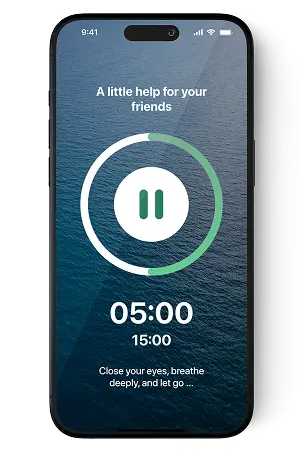
The brain’s relationship with alcohol is not rational. It is emotional and deeply conditioned. During hypnosis, the brain enters a state of focused relaxation that activates the relaxation response, reducing cortisol, lowering heart rate, and calming the nervous system, the exact same system alcohol hijacks to create a sense of relief. In this receptive state, combined with the science of neuroplasticity, the brain can begin to form new associations and responses around alcohol, ones that come from awareness and choice rather than automatic conditioning.
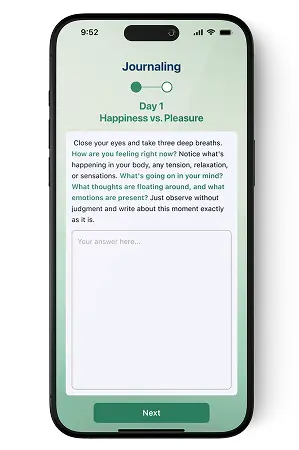
Research in psychology demonstrates that expressive writing activates the brain regions involved in emotional regulation, self-reflection, and meaning-making. When it comes to alcohol, this is powerful. Many people drink in response to emotions they haven’t fully processed, stress, loneliness, boredom, anxiety. Writing about these experiences reduces their psychological weight and brings unconscious triggers into conscious awareness. Once you can see the pattern clearly, you can begin to change it.
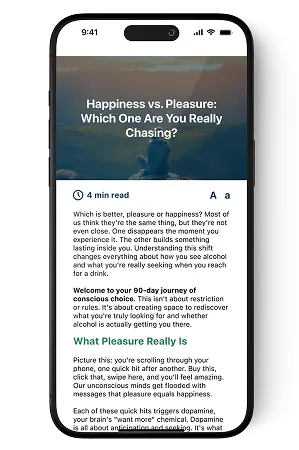
Studies in cognitive psychology show that learning how habits form, how dopamine drives reward-seeking behavior, and how emotional triggers activate automatic responses actually alters how the brain interprets those experiences. Alcohol is one of the most dopamine-activating substances available, which is exactly why drinking can feel so automatic and so hard to moderate. Our curated reading content translates this science into practical, digestible insights, strengthening the brain’s capacity for long-term decision-making and making it easier to pause before reaching for a drink out of habit.
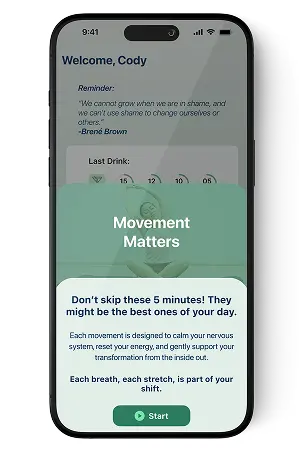
One of the reasons alcohol is so compelling is neurochemical. It temporarily increases dopamine and serotonin, creating feelings of relaxation, pleasure, and relief. Research consistently shows that physical activity does the same thing, naturally and sustainably. It increases dopamine and serotonin production while reducing cortisol, the stress hormone that often drives the urge to drink in the first place. Even short movement sessions have been shown to reduce cravings, regulate mood, and shift the body into a state where conscious choice becomes easier.
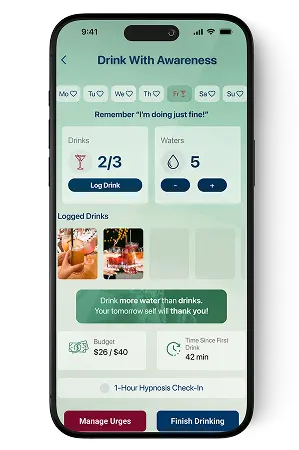
Most people who drink more than they intend to are not making conscious decisions. They are following invisible patterns, drinking at the same time, in the same situations, in response to the same triggers. Behavioral science consistently shows that self-monitoring is one of the most effective behavior change strategies available. The drink tracker makes those invisible patterns visible, logging not just how much you drink, but when, why, and under what circumstances. Once those patterns are visible, the automatic power they hold begins to fade and conscious choice takes its place.
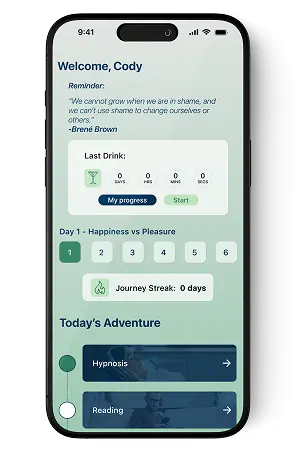
Behavioral science shows that tracking progress is not just motivational, it is neurological. Each alcohol-free day logged activates the brain’s reward system, reinforcing the new behavior and building momentum. Over time, the brain begins to associate not drinking with positive feelings rather than deprivation. Streaks create identity shifts. Small visible wins accumulate into something bigger, gradually reshaping self-perception from someone trying to change their relationship with alcohol to someone who already has.
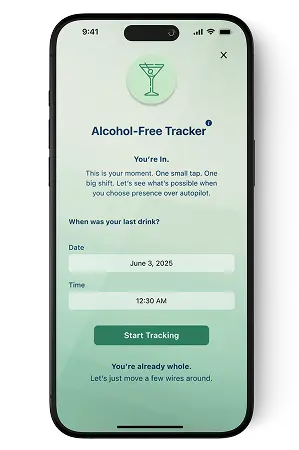
Alcohol’s hold on behavior is not one-dimensional, and neither is our approach. The UM method was designed so that each element targets a different part of the process. Hypnosis reshapes the unconscious associations driving drinking. Journaling surfaces the emotions behind it. Curated reading reframes the cognitive patterns that keep it in place. Movement replaces the neurochemical relief alcohol provides. Tracking builds awareness where there was once only autopilot. Together they create a system that works with the brain’s natural mechanisms for change, not against them, and not against you.
Science-backed, honest, and straight to the point