


This is the part everyone worries about most. How do you go to a party without drinking? What do you say when someone asks why you’re not drinking? How do you survive a date, a wedding, or a networking event when everyone else has a drink in their hand? This guide gives you the actual scripts, strategies, and drinks that make social situations feel normal instead of awkward. You’re not missing out. You’re just doing it differently.
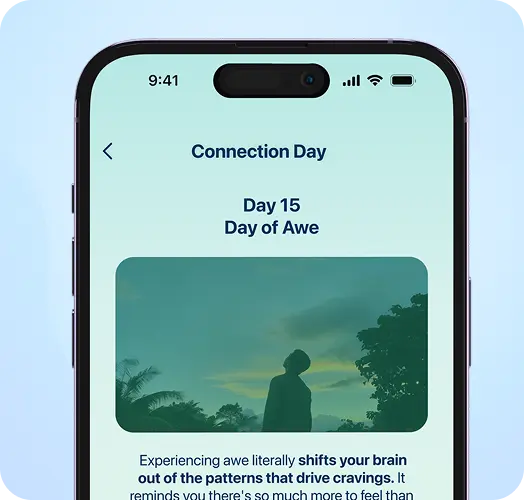
The moment you stop drinking, your body starts cleaning house. You just don’t feel it yet.
Your liver immediately starts processing the backlog of toxins. It’s been prioritizing alcohol metabolism over everything else, and now it can finally focus on its other 500+ jobs. Your blood sugar starts stabilizing. Alcohol crashes your blood sugar, which is why you get those late-night cravings for pizza or donuts. Without alcohol, your glucose levels even out.
Your stomach lining starts to calm down. Alcohol irritates your gut lining, causes inflammation, and messes with your digestion. The inflammation starts decreasing within hours of your last drink.
Honestly? Probably not great if you’re used to drinking regularly. You might be tired, irritable, or restless. Your sleep might be terrible because your body is adjusting to falling asleep without alcohol. This is temporary. Your body is recalibrating, and recalibration feels uncomfortable.
If you’ve been drinking heavily every day, you might experience withdrawal symptoms like sweating, shaking, or anxiety. If that’s you, talk to a doctor before you stop cold turkey. Alcohol withdrawal can be serious.
This is where most people feel worse before they feel better. Your body is still adjusting, and it’s mad at you for changing the rules.
Your brain chemistry is rebalancing. Alcohol floods your brain with GABA (the calming neurotransmitter) and suppresses glutamate (the excitatory one). When you stop drinking, your brain is suddenly producing too much glutamate and not enough GABA. That’s why you feel anxious, jittery, or overstimulated. Your brain is learning how to regulate itself without alcohol’s interference.
Your hydration is improving. Alcohol is a diuretic, it makes you pee out more water than you’re taking in. Now your cells are finally getting the water they need, and your kidneys aren’t working overtime.
Irritable. Restless. Bored. Your brain keeps suggesting alcohol like a helpful but annoying assistant. “Wine would make this dinner better.” “A beer sounds good right now.” This is normal. You’re not failing. Your brain is just running old patterns.
Your sleep is probably still bad. You might fall asleep fine but wake up at 3am. Or you might have trouble falling asleep at all. This gets better by the end of the first week.
Move your body. Even a 10-minute walk helps burn off the restless energy. Drink water constantly. Eat protein every few hours to keep your blood sugar stable. Use the app’s hypnotherapy sessions for days 2-3, they’re designed specifically for this phase.
This is when things start to shift. You’re almost at one week, and your body is finally starting to thank you.
Your sleep architecture is improving. You’re getting more REM sleep, the restorative phase that alcohol completely destroys. REM sleep is when your brain processes emotions, consolidates memories, and solves problems. You’ve been running on partial REM sleep for who knows how long, and now your brain is finally getting what it needs.
Your skin is starting to change. Alcohol dehydrates your skin, dilates blood vessels (hello, redness and puffiness), and messes with collagen production. By day 7, your skin cells are getting proper hydration and nutrients. You’re not glowing yet, but the puffiness is starting to go down.
Your liver enzymes are dropping. If you got bloodwork done right now, your liver function numbers would already be improving. Your liver is resilient, and it’s already starting to repair the damage.
More energy in the mornings. Not amazing energy, but you’re waking up without that fog. You’re not hitting snooze five times. Your mood is stabilizing. The irritability from days 2-3 is fading. You’re not riding the emotional rollercoaster anymore, you’re finding a baseline.
Your cravings are getting less intense. You still think about drinking, but the urgency is fading. The “I NEED a drink” feeling is becoming “it would be nice but I’m okay without it.”
You made it through the first week. The hardest part is behind you. Most people who make it to day 7 finish the full 30 days because they start feeling good enough that they want to keep going.
This is the week where most people text their friends saying “wait, I forgot what actual energy feels like.”
Your gut microbiome is rebalancing. Alcohol kills good bacteria and promotes bad bacteria in your gut. Your gut-brain connection is massive, it affects your mood, your immune system, your digestion, everything. By week two, the good bacteria are starting to recover, and your gut lining is healing.
Your inflammation markers are dropping significantly. Alcohol causes systemic inflammation, which shows up as brain fog, joint pain, digestive issues, and general puffiness. That inflammation is clearing out, and your body is finally able to focus on actual healing instead of constant damage control.
Your cardiovascular system is improving. Your blood pressure is dropping. Your heart rate variability (a key marker of nervous system health) is improving. Your heart isn’t working as hard to pump blood through your system.
Your sleep is noticeably better. You’re falling asleep easier, staying asleep through the night, and waking up feeling actually rested. This is the game-changer. When you sleep well, everything else gets easier.
Your skin looks different. The puffiness is going down. Your eyes are brighter. You might even notice your face looks slimmer because the alcohol-induced water retention is gone. People might start asking if you got a haircut or changed something, they can tell you look different but they can’t pinpoint what it is.
Your digestion is better. You’re not bloated all the time. Your stomach doesn’t hurt after eating. You’re not running to the bathroom constantly. Your gut is finally working the way it’s supposed to.
Keep your routines consistent. Go to bed at the same time every night. Eat protein and vegetables. Move your body. Your body is healing, and consistency accelerates that healing.
This is when your brain comes back online. The fog lifts, and you remember what it feels like to think clearly.
Your brain’s neurotransmitter levels are stabilizing. Your dopamine, serotonin, and GABA are finally balancing out naturally without alcohol throwing everything off. This is when your mood stabilizes in a way that feels almost unfair to your past self.
Your prefrontal cortex (the decision-making, impulse-control part of your brain) is functioning better. Alcohol suppresses this area, which is why drunk decisions are terrible decisions. Now it’s back in charge, and you’re making faster, clearer choices.
Your memory is improving. Alcohol disrupts memory consolidation, especially during REM sleep. Now you’re actually retaining information. You’re not forgetting conversations or losing your keys as much.
You can focus. Like, actually focus for more than 20 minutes without your brain wandering. You’re reading entire articles. You’re having full conversations without zoning out. The constant low-grade brain fog you thought was just “being an adult” is gone.
Your anxiety is significantly lower. That constant underlying tension, the feeling like something’s always slightly wrong, starts to lift. You realize how much of your baseline anxiety was actually caused by alcohol disrupting your nervous system. The anxiety you were drinking to manage was largely created by the drinking itself.
Your emotional baseline is stable. You’re not riding the highs and lows anymore. You’re not weirdly sad for no reason. You’re not irritable over small things. You’re just… steady. And steady feels incredible after months or years of emotional whiplash.
This is the week where most people start thinking “I might actually keep doing this.” The benefits are undeniable now. You’re not just surviving without alcohol, you’re genuinely feeling better.
By week four, you’re not “trying to quit drinking” anymore. You’re just someone who doesn’t drink right now, and your body is thriving.
Your liver has made significant progress. If you had mild fatty liver disease (super common in regular drinkers), it’s likely reversing. Your liver can regenerate itself remarkably well when you stop poisoning it daily.
Your immune system is stronger. Alcohol suppresses your immune function, making you more susceptible to getting sick. Now your white blood cells are functioning properly. You’re not catching every cold that goes around.
Your hormone levels are normalizing. Alcohol messes with testosterone, estrogen, and cortisol. For men, testosterone increases. For women, estrogen stabilizes. For everyone, cortisol (your stress hormone) drops significantly.
Your hormone levels are normalizing. Alcohol messes with testosterone, estrogen, and cortisol. For men, testosterone increases. For women, estrogen stabilizes. For everyone, cortisol (your stress hormone) drops significantly.
Your physical appearance has changed noticeably. Your skin is clearer. Your eyes are brighter. The puffiness is gone. If you took a before photo on day 1, the difference would be obvious. Most people lose 3 to 8 pounds by this point without changing anything else about their diet or exercise.
You sleep like a completely different person. Deep, restorative sleep. You wake up before your alarm feeling rested. You dream vividly because your REM sleep is finally uninterrupted. This is the sleep your body has been trying to get for years.
Celebrate this milestone. You made it 30 days. That’s real. Whether you keep going or return to drinking, you now have 30 days of data about how your body functions without alcohol. That information is incredibly valuable.
If you keep going past 30 days, the benefits compound. Here’s what happens when you give your body even more time.
Your mental health stabilizes significantly. Depression and anxiety symptoms drop noticeably. Your emotional regulation is better. You’re not overreacting to small stressors. Your liver function is near normal if it was elevated before. Your skin continues improving, fine lines soften, and your complexion evens out.
Your brain has largely rewired itself. The neural pathways that automatically suggested alcohol are weaker. The ones supporting your new habits are stronger. Cravings are rare and mild. Your sleep quality plateaus at a consistently high level. Your cardiovascular health is significantly better, lower blood pressure, better circulation, improved heart rate variability.
Your risk of alcohol-related cancers begins decreasing. Your bone density improves (alcohol leaches calcium from your bones). Your relationships are probably better because you’re more present, more reliable, and more emotionally available. Your productivity and performance at work are noticeably higher.
Your liver is likely completely healed if the damage wasn’t severe. Your cancer risk continues dropping. Your overall health markers (cholesterol, triglycerides, blood pressure) are significantly improved. You’ve saved anywhere from $2,000 to $5,000 depending on how much you were drinking.
Beyond the physical benefits, there are changes that don’t show up on bloodwork but are just as real.
No more “what did I say last night?” anxiety. No more piecing together your evening from text messages and credit card receipts. You’re fully present for your life, and you remember it all. The good conversations. The important moments. Everything.
You’re more patient. More present. Better at listening. People notice. Your partner notices you’re more engaged. Your kids notice you’re more available. Your friends notice you’re more reliable. You stop canceling plans because you’re hungover or too tired.
You set a goal and you followed through. That matters. You’re not breaking promises to yourself anymore. You’re not saying “I’ll only have two” and having five. You’re not waking up disappointed in yourself. That shift in self-trust ripples into every area of your life.
When alcohol is your main source of fun or relief, your whole week becomes “just getting through” until Friday. Without that pattern, every day matters. You’re not just surviving Monday through Thursday to earn your drinking time. You’re actually living your whole week.
You don’t have to white-knuckle through the adjustment period. We give you tools that make your body’s healing process easier and faster.
Our sessions help manage the restlessness, the sleep disruption, and the irritability that come with the first week. We work on nervous system regulation so your body adjusts faster and more comfortably.
The app explains what’s happening in your body at each stage. When you understand why you feel a certain way, it’s less scary. You know it’s temporary. You know it’s your body healing, not something going wrong.
We help you notice the small changes that are easy to miss. Better sleep. More energy. Clearer thinking. When you write down what you’re experiencing, you see patterns and progress you wouldn’t notice otherwise.
We explain how alcohol affects your gut microbiome, your neurotransmitters, your sleep architecture. Understanding the science makes the process less mysterious and more motivating.
Success isn’t feeling perfect every single day. Success is noticing that you slept better than you have in months. Success is realizing you haven’t had heartburn in two weeks. Success is looking in the mirror and seeing your actual face instead of the puffy, tired version you’d gotten used to.
Success is Week 3 when someone asks “did you do something different?” and you realize they’re noticing the changes you’re feeling. Success is making it to 30 days and having real data about how alcohol affects YOUR body, not statistics about other people, but actual evidence from your own experience.
That information changes everything. Whether you keep going or return to drinking, you now know what your body is capable of when it’s not constantly processing alcohol. And most people, once they know that, have a really hard time going back to the way things were.
You don’t need to commit to forever. You just need to commit to seeing what happens when you give your body a real break. 30 days. That’s all.
Your body wants to heal. It’s been trying to heal this entire time while you kept drinking. Now you’re finally giving it a chance.
Start whenever you’re ready. We’ll be here to walk you through every single day, every physical change, every moment when you wonder if it’s worth it. (Spoiler: it is).
Your body is capable of incredible things when you stop poisoning it daily. Let’s find out what that looks like for you.
Science-backed, honest, and straight to the point