


So you’re sober curious. Maybe you saw it trending. Maybe a friend mentioned it. Maybe you’re just wondering what your life would look like if alcohol wasn’t always part of the equation.
Here’s what it actually means: you’re exploring your relationship with alcohol without committing to quit forever. You’re asking questions like “Do I actually enjoy drinking, or is it just habit?” and “How would I feel if I took a break?” It’s curiosity-driven exploration, not a lifetime sentence. No labels. No pressure. No having to call yourself anything you’re not ready to be.
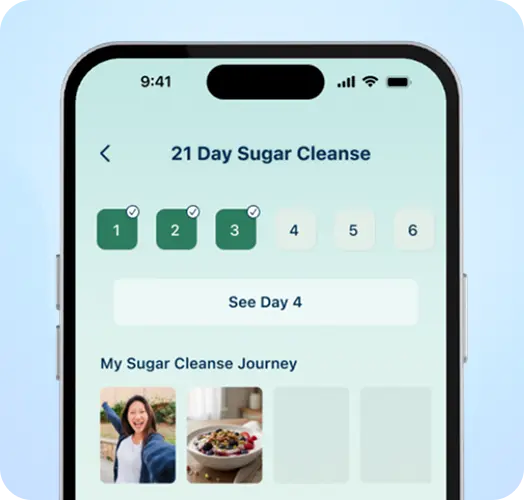
This is different from traditional sobriety (permanent abstinence, recovery programs, labels) and California sober (selectively eliminating substances long-term). Being sober curious is lighter and more experimental. You’re not making forever decisions. You’re just trying something different to see how it feels, whether that’s Dry January, a few alcohol-free weeks, or questioning why you reach for a drink in the first place. You gather real data about how alcohol affects YOUR sleep, mood, energy, and life, then decide what comes next based on what you discover. No judgment. No rulebook. Just honest curiosity about what might be possible.
Nobody wakes up one random Tuesday and decides to question their entire relationship with alcohol for no reason. Something usually triggers it.
This is the big one. You fall asleep fine, maybe even faster after a few drinks, but then you’re awake at 3am staring at the ceiling. Or you sleep through the night but wake up exhausted anyway. You start wondering if the wine that’s “helping you relax” is actually why your mornings feel like you got hit by a truck. Spoiler: it probably is. Alcohol destroys REM sleep, the restorative phase your brain desperately needs.
You notice a pattern. You drink on Friday night, and Saturday you feel weird. Not hungover exactly, just off. Anxious. Irritable. Your heart races for no reason. You replay conversations in your head. Then Sunday you feel better, until Sunday night when you have a glass of wine to “take the edge off” before the work week. The cycle repeats. You start wondering if alcohol is causing the anxiety it’s supposedly fixing.
The afternoon slump hits harder than it used to. You need more coffee. Your workouts feel sluggish. Your face looks puffy in photos. You have less patience with people. Everything feels like it requires more effort than it should. You can’t pinpoint why you feel so drained all the time, until you start connecting it to how much you’re drinking.
Maybe your doctor mentioned your liver enzymes. Maybe you’re gaining weight you can’t seem to lose. Maybe your skin looks dull and you’re breaking out more. Maybe your digestive system is a mess. Your body is trying to tell you something, and alcohol keeps showing up as the common denominator.
You check your bank statement and realize you spent $300 last month on drinks. Just drinks. That doesn’t include the Ubers home, the late-night food orders, the hangover brunches. You start calculating what that money could do elsewhere and realize you’ve been funding a pretty expensive habit without even noticing.
Two drinks used to be fine. Now two drinks means you feel off the next day. You’re not 22 anymore, and your body is making that very clear. The cost-benefit analysis of “fun night out” versus “lost Sunday” is starting to tip in the wrong direction. You find yourself saying “I’m never drinking again” more often than you’d like to admit.
Science-backed, honest, and straight to the point