A Science-Based Sobriety App Built Around Habit Change

Unconscious Moderation is a science-based sobriety app that helps you understand your drinking habits and what shapes them. Over 90 days, you’ll use tracking, reflection, mindfulness, movement, and guided hypnotherapy to try new ways of responding.

How a Science-Based Sobriety App Supports Change

Drinking can start to feel automatic when certain situations keep leading you back to the same habits, like reaching for a drink after a stressful day or drinking more than you planned on a Friday night. UM helps you notice those patterns sooner, so you have more room to respond differently.

Track What Happens Around Your Drinking

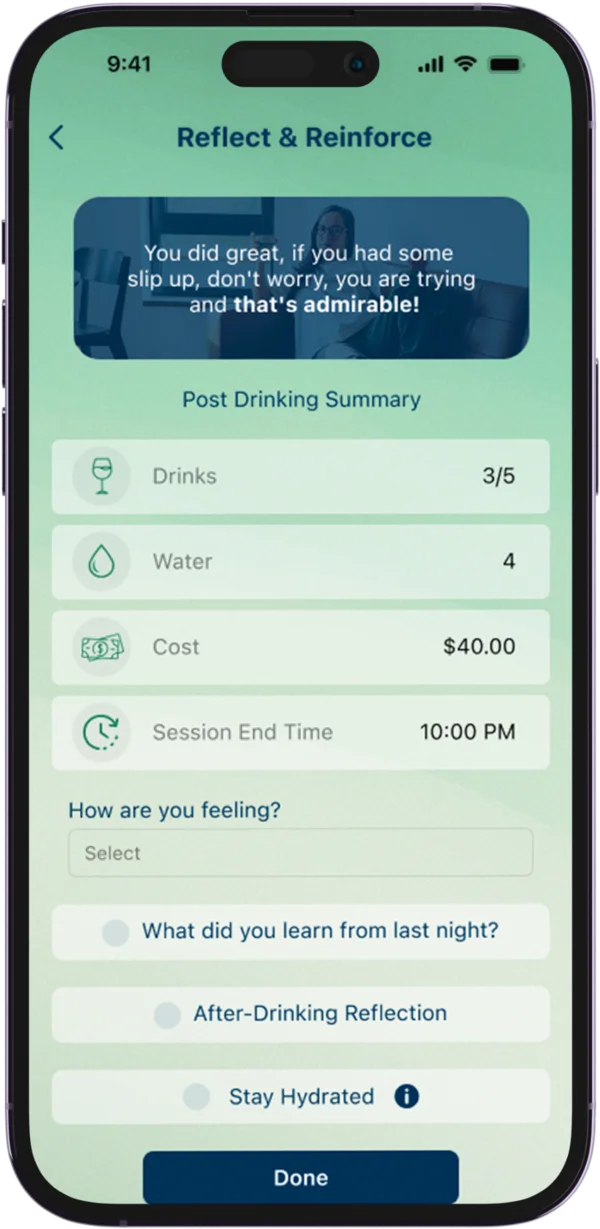
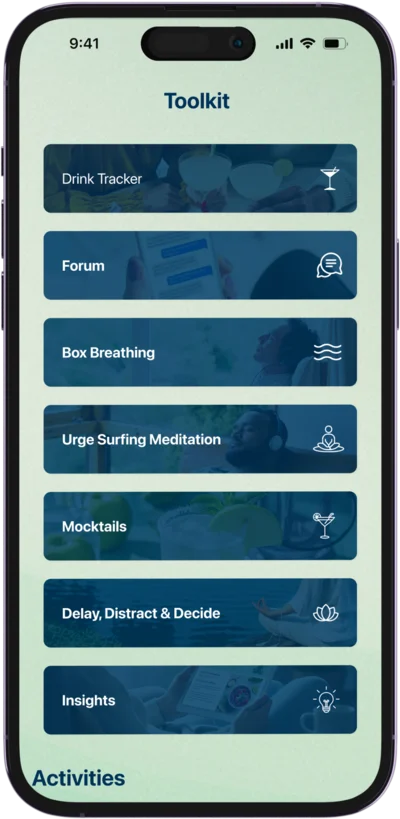
Use the Drink Tracker and journaling prompts to record what you drank, what you planned, and what was happening around it. That gives you something real to look back on instead of relying on memory.

Connect the Dots

Look across your entries for situations that keep coming up, like stress after work, boredom at home, social plans, or using a drink as a reward. Repeated patterns can give you a better idea of what tends to pull you toward drinking.

Make a Plan Before the Moment

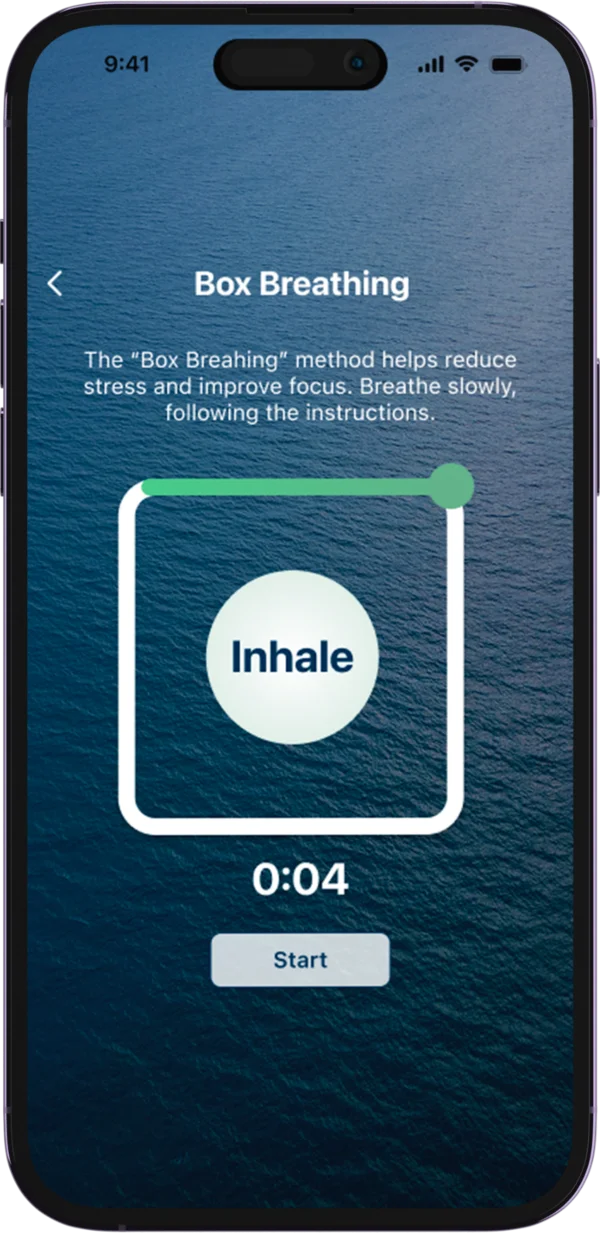
Once you know which situations tend to be harder, decide what you want to do before they come up again. That could mean setting a drink limit, planning an alcohol-free night, or using a tool like Box Breathing or Urge Surfing Meditation.

Review What Worked

Use your check-ins and Sunday Reset to compare what you planned with what happened. Keep the parts that helped, change what didn’t, and use that to plan for the next week.

NIAAA includes identifying triggers, setting goals, building coping skills, and reviewing progress among the behavior-change approaches used to help people work on their drinking. Read the NIAAA resource

UM's Tools Come Straight From the Research

UM gives you different tools to use when a familiar drinking pattern comes up, so you can try something different instead of falling straight back into the routine.

Tracking Shows You What Repeats

Log what you planned, what you drank, and what was happening around it. Looking back can make patterns easier to spot and plan for. Tracking drinks is a strong way to become more aware of your patterns.

Journaling Puts Context Behind the Numbers

Use journaling to capture what you were thinking, feeling, or dealing with at the time. Writing things down can also make your goals and next steps easier to think through. Writing your alcohol plan helps you work through your goals, reasons, strategies, and possible roadblocks.

Mindfulness Gives You More Space

Mindfulness gives you a chance to notice an urge or feeling before you decide what to do with it. The National Center for Complementary and Integrative Health says these practices can help people notice craving triggers and work on automatic reactions to them, though the research still has limits.

Movement Gives You Something Else to Try

Movement can break up a familiar routine and give you another response when an urge shows up. Some studies have shown that a short bout of exercise leads to lower alcohol cravings in people with alcohol use disorder.

Hypnotherapy Gives You Focused Time

UM’s guided hypnotherapy gives you time to slow down and focus on the thoughts and habits around your drinking.

Give Yourself 90 Days to Land It

UM spreads the work across 90 days so you can build awareness, try different responses, and keep using what you notice.

STEP 1

Get to Know Your Drinking Patterns

Start paying closer attention to your drinking, your routines, and the situations that tend to come with them.

STEP 2

Make Choices That Feel More Like Yours

Use what you’ve noticed to plan ahead and make more deliberate choices when those situations come up again.

STEP 3

Build Your New Habits Into Everyday Life

Keep using the tools that help and bring them into the parts of life where drinking used to feel more automatic.

Over 90 days, you’ll get plenty of chances to notice what’s happening, try something different, and see what works for you.

Stay On Track When Motivation Runs Out

Some days you’ll feel ready to change. Other days, the same goal can feel much harder to care about.

UM gives you more to come back to than motivation alone. Your goal keeps you pointed in the right direction, your plan gives you something concrete to try, and tracking and reflection show you what actually happened and where things got off track.

Motivational approaches used in alcohol treatment can include helping people build their own reasons for change, make a specific plan, and strengthen confidence over time.

See the Research Behind the Method

A science-based sobriety app can draw on approaches that have been studied without pretending every piece of research proves the app itself works.

UM uses behavior-change tools such as tracking, goal setting, planning, reflection, and coping skills. Research can help explain why those approaches are used, while product-specific claims need evidence about UM itself.

Make the Next Drink Your Decision

Over 90 days, UM helps you understand your drinking habits, try different responses, and build routines that give you more freedom around alcohol.

UM doesn’t replace medical or addiction care. If you’re worried about your drinking, your health, or stopping safely, talk to a qualified healthcare professional.

Science-Based Sobriety App FAQs

What is a science-based sobriety app?

A science-based sobriety app uses tools that connect with behavior-change research. UM brings tracking, reflection, planning, mindfulness, movement, and guided hypnotherapy into one 90-day program.

How does UM support behavior change?

UM helps you notice drinking patterns, plan for situations that tend to pull you in, try different responses, and look back at what worked.

Can tracking help me understand my drinking?

Yes. Tracking can help you spot patterns that are easy to miss in the moment, like when you drink more than planned or which situations keep coming up.

Why does UM include hypnotherapy?

UM uses guided hypnotherapy as a way to slow down and spend focused time with the thoughts and habits around drinking. It doesn’t treat hypnotherapy as a proven way to reduce alcohol use.

Why is the UM program 90 days?

The 90 days give you time to notice patterns, try different responses, and keep practicing what helps. It’s UM’s program structure, not a promise that every drinking habit changes within 90 days.

The Newsletter That Changes How You Think About Drinking

Science-backed, honest, and straight to the point