Each process looks different for everyone. If you’re exploring or living the California sober lifestyle, we’re here to give you real information about what it means, the safety considerations involved, and how Unconscious Moderation can support you through this process. Whether you’re using this as a transition or a long-term approach, we can help you set clear boundaries, make conscious choices, and stay honest with yourself along the way.
California Sober: What It Actually Means (The Real Info You Need)
Let’s clear up what California sober actually is, because there’s a lot of confusion out there.
The term “California sober” emerged from California’s cannabis-friendly culture in the early 2010s, where people in recovery circles started using it to describe eliminating alcohol and harder drugs while continuing to use cannabis. The name stuck because California was one of the first states to legalize medical marijuana, creating a culture where cannabis was seen as less harmful than other substances. From there, it spread beyond California to describe various approaches to selective substance use.
California sober typically means eliminating certain substances (usually alcohol) while continuing to use others (often cannabis) within defined personal boundaries. Some people cut out alcohol completely while using CBD or THC. Others eliminate everything intoxicating and replace it with non-alcoholic alternatives. There’s no universal definition, which is part of why this approach can be complicated.
Here’s what’s important to understand: the best option would be eliminating all substances, but if you’re choosing between alcohol and cannabis, CBD is the safer choice. Unlike THC, CBD is non-intoxicating, doesn’t impair driving, and rarely shows up on drug tests. That said, this isn’t traditional sobriety, and it’s not the same as being sober curious or practicing mindful drinking. It’s a harm reduction approach that acknowledges different substances affect people differently. Some find it helpful. Others discover it creates new problems or doesn’t address the underlying issues. If you’re considering this path or just trying to understand what it means, you need real information about the safety considerations, the neuroscience behind it, how it compares to other approaches, and what actually makes it sustainable long-term. Let’s break down what California sober really involves, beyond the Instagram posts and the trending hashtags.
The Science and Safety You Should Understand
Before anyone considers California sober, there are critical safety and scientific factors that don’t always make it into the social media posts.
Understanding CBD vs THC Matters
A lot of people use these terms interchangeably, but CBD vs THC differences are huge. THC causes intoxication, impairs your driving ability, and shows up on drug tests for days to weeks.
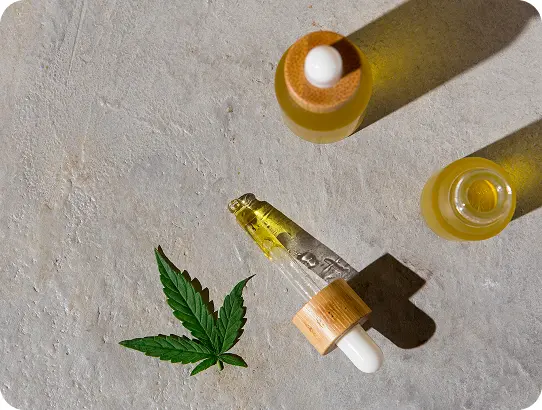
CBD is non-intoxicating, doesn’t typically impair function, and rarely shows on standard drug tests. If you’re considering cannabis as part of California sober, knowing this distinction is crucial for employment, legal issues, and your actual safety.
The Myth of Sobering Up Fast
Despite what you see online, there’s no way to sober up fast. Coffee doesn’t work. Cold showers don’t work. Food doesn’t speed up the process. What sobers you up is only time, your body metabolizes substances at a fixed rate. This matters because driving under the influence of THC is just as illegal and dangerous as drunk driving. The impairment is real, even if it feels different than alcohol.
Substance Interactions Get Complicated
Combining substances multiplies risks in unpredictable ways. Cannabis and alcohol together impair judgment more than either alone. If you’re on any medications, these interactions need medical guidance, not internet advice.
Mental Health Can Go Either Way
Here’s what’s tricky: eliminating alcohol might improve your mental health, or it might reveal underlying issues that alcohol was masking. Some people find CBD helps with anxiety. Others find that THC increases paranoia or triggers panic attacks. There’s no universal response. What works for someone else might make things worse for you. Mental health monitoring isn’t optional with this approach, it’s essential.
Harm Reduction Isn't Permission
California sober falls under harm reduction philosophy, which focuses on reducing negative consequences rather than demanding perfection. That’s valid for some people. But harm reduction doesn’t mean risk-free. You’re still making choices about substance use, and those choices still have consequences. The difference is you’re trying to be more intentional about which risks you’re taking and why.
It Requires Exceptional Self-Honesty
The biggest challenge most people don’t talk about: California sober requires constant self-monitoring that complete abstinence doesn’t. With total sobriety, the rule is clear and simple. With California sober, you’re making ongoing decisions about boundaries, watching for rule creep, and staying honest about whether your approach is actually working or just giving you permission to keep using. That level of self-awareness is harder than most people expect.
The bottom line? This approach has real risks alongside potential benefits. Anyone considering it needs medical guidance, clear boundaries, honest self-assessment, and a backup plan for when things aren’t working. Education first, decisions second.
Liked what you read?
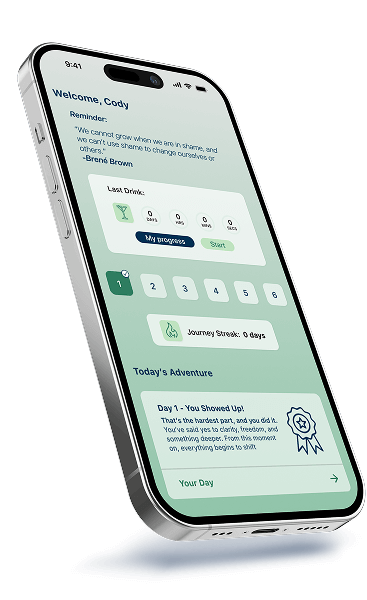
The Unconscious Moderation app is where real transformation begins. It brings these tools to life ,with hypnotherapy, journaling, mindful movement, and more; right at your fingertips to help you rewire from within.
Download the app and begin your journey today.
JOIN OUR NEWSLETTER
Subscribe to our newsletter to receive the latest news and exclusive offers every week. No spam.
FAQ: Quick Answers
What exactly does California sober mean?
California sober typically means eliminating certain substances (usually alcohol) while continuing to use others (often cannabis) within defined personal boundaries. Some people cut out alcohol completely while using CBD or THC. Others eliminate all intoxicating substances and replace them with non-alcoholic alternatives. There’s no universal definition, which makes it both flexible and potentially confusing.
Is California sober the same as being sober curious?
No. Sober curious usually means temporarily exploring life without alcohol, like doing Dry January or taking periodic breaks. It’s experimental without permanent commitment. California sober is an ongoing lifestyle choice with defined boundaries around selective substance use. Many people start with sober curious experiments before deciding on California sober.
What's the difference between CBD and THC?
This distinction is crucial. THC causes intoxication, impairs driving ability, and shows up on drug tests for days to weeks. CBD is non-intoxicating, doesn’t typically impair function, and rarely appears on standard drug tests. Understanding CBD vs THC differences matters for employment, legal issues, and safety.
Is it legal to drive after using cannabis?
No. Driving under the influence of THC is illegal everywhere, just like drunk driving. THC impairs reaction time, judgment, and coordination. The impairment is real even if it feels different than alcohol. Don’t risk it.
How can Unconscious Moderation help with California sober?
Whether you’re exploring California sober, mindful drinking, or complete abstinence, our program works at the level where habits actually form. We use hypnotherapy led by psychologists, neuroscience education, and reflective practices to help you understand your patterns and make conscious choices. We don’t tell you which path is “right.” We help you rewire your relationship with substances so your decisions come from awareness, not autopilot.
Thousands Rewiring Their Relationship with Alcohol.
1 Newsletter That Changes the Way You Think.
Science-based, reflective, and to the point… just like UM.