



Social situations are where California sober gets complicated fast. You’re not drinking, but you might be using cannabis, which creates this weird in-between space where you’re explaining yourself constantly. “So you don’t drink?” “But you’re high right now?” “I don’t get it, what’s the difference?” Plus, people notice cannabis way more than they notice someone not drinking. The smell, the behavior, the whole thing is just more visible. This guide gives you the scripts, strategies, and boundaries you need to navigate social situations without constantly defending your choices or feeling like you owe everyone an explanation.

Here’s the truth: most people ask out of curiosity, not judgment. But it still feels awkward when someone questions why you’re doing things differently. Having your responses ready makes everything easier.
The simple scripts that work:
“I stopped drinking, it wasn’t working for me anymore” “Alcohol and I don’t get along” “I feel better without it” “I’m doing California sober” (only use this if you want to explain, most people won’t know what it means) “Just not my thing anymore”
Most people will say “cool” and move on. You don’t owe anyone a longer explanation unless you want to have that conversation.
The cannabis question:
This is where it gets tricky. If someone notices you’re using cannabis but not drinking, they might ask why one is okay and the other isn’t. You don’t have to justify your choices, but if you want to explain:
“They affect me differently” “Alcohol was the problem for me, not this” “I’m doing what works for my body”
The app’s hypnotherapy sessions can help you feel more confident in these conversations. When you’re clear about your reasons internally, external questions feel less threatening. Practice your responses before events using the app’s guided visualization tools, it makes the actual moment way easier.
If they keep pushing:
Some people get weirdly invested in your choices. It’s usually about them, not you. Here’s what to say:
“It’s just what works for me” “Doctor’s orders” (shuts down questions immediately) “I’m training for something” (works even if you’re not) “I feel better this way, that’s all”
What not to say:
Don’t apologize. Don’t say “I can’t” like you’re being punished. Don’t give a long explanation about your health journey unless you actually want that conversation. Keep it short, confident, and boring enough that people move on.
This is the part that catches most people off guard. You think your friends will be supportive, and then someone starts pushing drinks on you like it’s their personal mission.
Why people push:
It’s usually not about you. People get defensive when someone else isn’t drinking because it makes them look at their own habits. Your choice feels like a judgment on theirs, even though it’s not. Or they just want everyone on the same level so they don’t feel self-conscious. Either way, it’s their issue, not yours.
When to just leave:
If someone won’t drop it after you’ve clearly said no, that’s your signal to go. You’re not obligated to stay somewhere that feels hostile to your choices. Have your exit strategy ready, a ride home lined up, a reason to leave if you need one. The app helps you plan these exit strategies in advance so you’re never stuck.
What it looks like:
“Come on, just one drink won’t hurt” “You’re being boring” “It’s just one night, relax” Literally putting a drink in your hand without asking Questioning why cannabis is okay but alcohol isn’t.
How to handle it:
Stay calm. Don’t get defensive or over-explain. The more you justify, the more they’ll push back. Keep your responses short and redirect.
“I’m good, thanks” (repeat as needed) “Not for me, but you do you” “I feel better this way” (hard to argue with) Walk away. Just move to a different conversation.
Use the app before and during:
Before you go out, use the app’s hypnotherapy session designed for social situations. It strengthens your resolve at the unconscious level, so you’re not relying on willpower alone when someone’s pressuring you. If you need a reset during the event, step outside or hit the bathroom and do a quick grounding exercise from the app’s toolkit. Two minutes can completely shift your headspace.
The visibility problem:
Here’s what makes California sober harder than just not drinking: people notice cannabis more. The smell lingers. Your eyes might look different. Your behavior might shift. You can’t be as discreet about it as someone who’s just quietly not drinking.
This means you might face more questions, more judgment, more explaining. That’s exhausting. The app’s journal prompts help you process these frustrating moments without internalizing other people’s judgments. You’re not doing anything wrong, you’re making the choice that works for your body and your life.
Walking into a social event without a plan is how most people end up compromising their boundaries. Preparation isn’t paranoia, it’s self-care.
Before you leave the house:
Know your boundaries for this specific event. Are you using cannabis before? During? Not at all? Be specific. The app’s boundary tracking feature lets you set event-specific rules and reminds you of them before you go.
Eat something substantial. Don’t show up hungry and tired, that’s when your brain starts negotiating with you about your rules.
Eat something substantial. Don’t show up hungry and tired, that’s when your brain starts negotiating with you about your rules.
Eat something substantial. Don’t show up hungry and tired, that’s when your brain starts negotiating with you about your rules.
Know the venue:
Is this an alcohol-centric event or cannabis-friendly? If it’s heavily focused on drinking, you might need more support. The app’s journal prompts help you think through these scenarios in advance so you’re not figuring it out in the moment.
Your boundary template
During the event:
Check in with yourself regularly. How are you feeling? Are you sticking to your boundaries? Do you need to leave? The app’s quick check-in feature takes 30 seconds and helps you stay connected to your intentions instead of getting swept up in the moment.
If you start feeling pressure to break your boundaries, step away. Bathroom break, outside for air, whatever gives you two minutes to reset. Use the app’s grounding exercises during these moments. They’re designed to be quick and discreet.
After the event:
Log how it went in the app. What worked? What was harder than expected? What would you do differently next time? This isn’t just documentation, it’s building your personal playbook for navigating social situations successfully. The more data you have about your patterns, the better you can plan for future events.
The fear of missing out hits different when you’re California sober. You’re not completely abstinent, but you’re also not participating in the main social lubricant most events revolve around. It’s this weird middle ground where you feel left out even when you’re right there.
What you’re actually missing:
Let’s be honest about what FOMO is really about. Are you missing good conversations? Genuine connection? Fun moments? Or are you missing the disinhibition that alcohol provides, the false sense that everyone’s having a better time than they actually are?
Let’s be honest about what FOMO is really about. Are you missing good conversations? Genuine connection? Fun moments? Or are you missing the disinhibition that alcohol provides, the false sense that everyone’s having a better time than they actually are?
The app’s perspective shift:
The app has content specifically about FOMO and its counterpart, JOMO (the joy of missing out). These readings and hypnotherapy sessions help you reframe what you’re “missing” versus what you’re gaining. Clear memories, genuine presence, waking up without regret. Use these tools when FOMO hits hard, they work better than just trying to logic yourself out of feeling left out.
What you’re gaining:
You remember the entire night. Every conversation, every moment, everything that happened. You wake up tomorrow feeling good, not piecing together what you said or did. You’re building genuine connections with people who see you as you actually are, not a lubricated version of yourself.
The app’s journal prompts help you track these wins. When you write down “remembered the whole night” or “had a real conversation with someone” or “didn’t wake up with anxiety,” those become evidence that you’re not missing out, you’re showing up more fully than you used to.
When it still feels hard:
Some nights will just feel lonely even when you’re surrounded by people. That’s normal. California sober means you’re experiencing social situations differently than everyone else at the party, and that can be isolating.
Use the app’s hypnotherapy sessions designed for moments of doubt. They help you reconnect with your reasons for this path and remind you that temporary discomfort doesn’t mean you’re making the wrong choice. You’re building something sustainable, and that takes time to feel natural.
Finding your people:
FOMO lessens dramatically when you’re around people who support your choices. Not everyone will get California sober, and that’s fine. But finding even one or two people who respect your boundaries makes social situations infinitely easier.
The app can’t find these people for you, but it can help you identify which relationships feel supportive versus which ones make you question your choices. The journal prompts guide you through this reflection so you can start prioritizing time with people who make this path easier, not harder.
Social situations require you to make constant real-time decisions about your boundaries while managing other people’s reactions. That’s a lot to handle with willpower alone.
Our hypnotherapy sessions prepare your unconscious mind for social pressure before you even walk into the event. When your deeper mind is aligned with your boundaries, saying no stops feeling like a battle and starts feeling like a natural choice.
The app’s pre-event tools help you visualize handling questions confidently, the in-the-moment grounding exercises give you quick resets when pressure builds, and the post-event reflection prompts help you learn from each experience so the next one gets easier.
California sober works in social situations when you’re supported at the unconscious level where decisions actually get made, not just the conscious level where you’re trying to resist temptation. That’s exactly what we built.

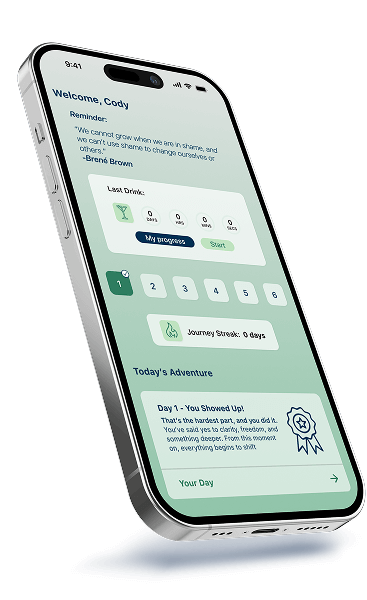
The Unconscious Moderation app is where real transformation begins. It brings these tools to life ,with hypnotherapy, journaling, mindful movement, and more; right at your fingertips to help you rewire from within.
Download the app and begin your journey today.


Subscribe to our newsletter to receive the latest news and exclusive offers every week. No spam.
1 Newsletter That Changes the Way You Think.
Science-based, reflective, and to the point… just like UM.